How to Practice Driving Between Lessons: A Guide for New Drivers in New York
Learning to drive in New York can be both exciting and intimidating. Between the bustling city streets, unpredictable traffic patterns, and strict driving regulations, new drivers often feel overwhelmed when trying to build confidence behind the wheel. Many students find that their progress slows down between lessons simply because they don’t know how to practice effectively on their own. Without structured guidance, valuable time between sessions can go to waste, leaving learners anxious and unprepared for their road test.
The good news is that with the right approach, you can make every moment between lessons count. By following a structured plan, choosing safe practice environments, and applying the techniques you’ve learned from your instructor, you can accelerate your learning and become a more confident, responsible driver. This guide will walk you through practical steps, expert advice, and real-world examples to help you make the most of your practice time.
Whether you’re a teenager eager to earn your first license or an adult returning to driving after years away, this comprehensive guide from Bells Auto Driving will equip you with everything you need to practice safely and effectively between lessons. You’ll discover how to plan your sessions, manage nerves, and develop the habits that make great drivers stand out on New York’s busy roads.
- Learn how to structure your driving practice between lessons for maximum progress.
- Discover safe and effective places to practice driving in New York.
- Understand how to track your progress and apply instructor feedback.
- Get expert insights and real-world examples from professional driving instructors.
What Is Practicing Driving Between Lessons?
Practicing driving between lessons means applying the skills you’ve learned from your instructor during independent or supervised driving sessions. It’s a crucial part of developing confidence, improving coordination, and mastering real-world driving conditions before your road test.
Step 1: Create a Structured Practice Plan
Creating a structured practice plan ensures that every minute you spend behind the wheel contributes to your growth as a driver. Without a plan, it’s easy to fall into repetitive habits or focus only on what feels comfortable. A well-thought-out schedule helps you balance different driving skills, from parking and lane changes to highway merging and night driving.
Start by reviewing your most recent driving lesson notes. Identify areas where your instructor suggested improvement, such as smoother braking or better mirror checks. Then, set specific goals for each practice session. For example, one session might focus on parallel parking, while another emphasizes left turns at intersections. This targeted approach keeps your practice purposeful and measurable.
According to John Bell, senior instructor at Bells Auto Driving, “Students who plan their practice sessions see faster improvement because they’re reinforcing what they’ve learned instead of just driving aimlessly.” He recommends keeping a simple driving log to track your progress and note any recurring challenges. Over time, this record becomes a valuable tool for both you and your instructor.
Consistency is key. Aim for shorter, frequent sessions rather than long, infrequent ones. Practicing for 30–45 minutes several times a week helps reinforce muscle memory and reduces fatigue. Remember, quality practice beats quantity every time.
- Set clear goals for each practice session.
- Keep a driving log to track progress and challenges.
- Focus on variety—practice different skills and road types.
- Stay consistent with short, regular sessions.
Key Takeaways
- A structured plan ensures balanced skill development.
- Tracking progress helps identify patterns and improvements.
- Frequent, focused practice sessions yield better results.
Step 2: Choose Safe and Suitable Practice Locations
Choosing the right environment for practice is essential, especially in a state as diverse as New York. From quiet suburban streets to busy Manhattan avenues, each area offers unique learning opportunities. The key is to match your current skill level with the appropriate environment.
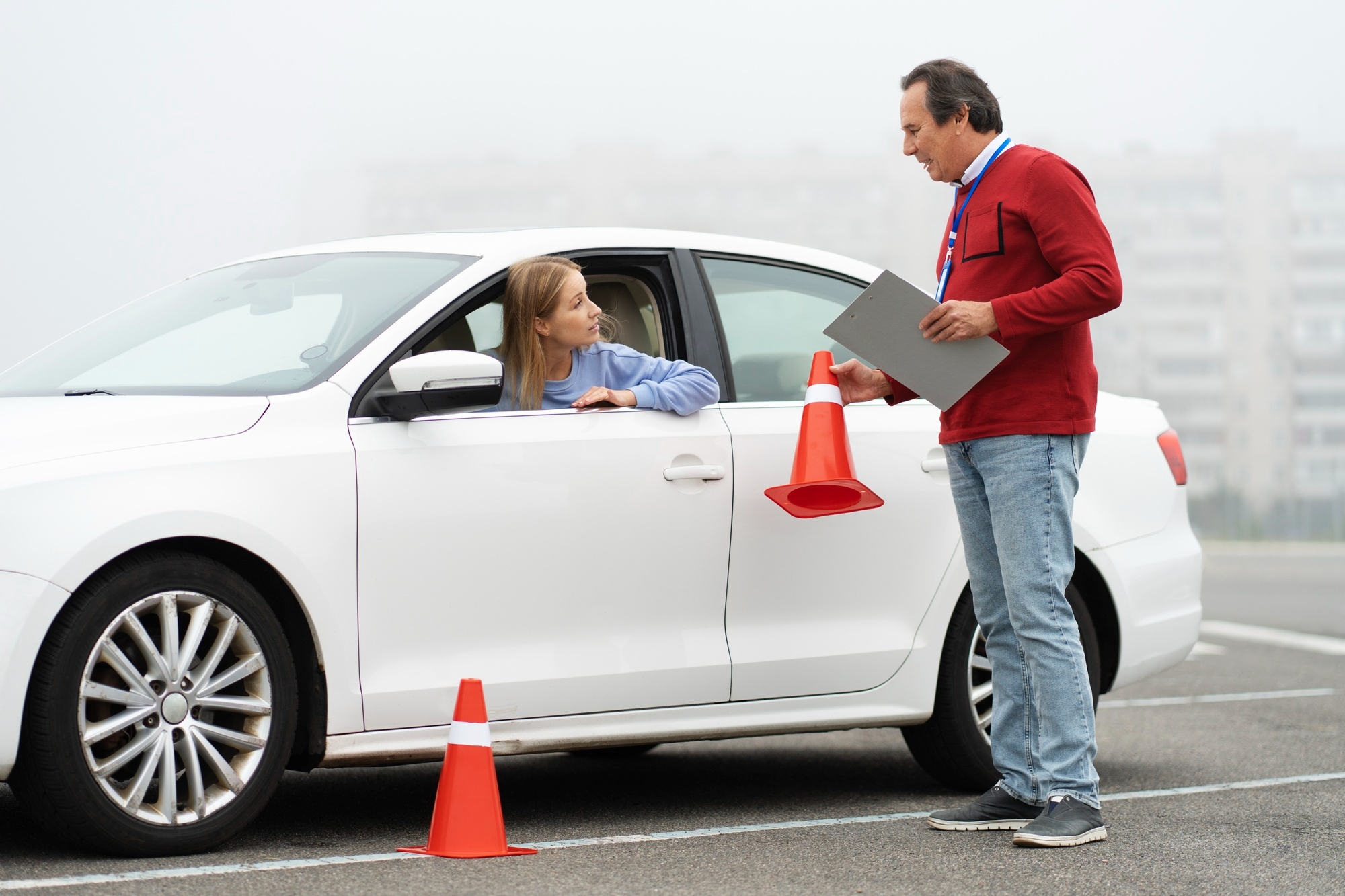
Begin in low-traffic areas like empty parking lots or residential streets. These locations allow you to practice basic maneuvers—starting, stopping, turning, and parking—without the pressure of heavy traffic. Once you’re comfortable, gradually move to more complex settings such as multi-lane roads or intersections with traffic signals.
As your confidence grows, challenge yourself with different conditions. Try driving at dusk to adjust to changing light, or practice on wet roads to understand how your vehicle handles in rain. These experiences prepare you for real-world scenarios you’ll encounter during your road test and beyond.
Professional driving schools like Bells Auto Driving often recommend specific practice routes that mimic DMV test conditions. Ask your instructor for suggestions based on your location. Practicing in these areas helps you become familiar with the types of roads and maneuvers you’ll face during your exam.
Key Takeaways
- Start in low-traffic areas and progress gradually.
- Practice in varied conditions to build adaptability.
- Use instructor-recommended routes for targeted preparation.
Step 3: Apply Instructor Feedback Effectively
Feedback from your driving instructor is one of your most valuable learning tools. Applying it effectively between lessons ensures that you’re not just repeating mistakes but actively improving. The process begins with understanding the feedback clearly and translating it into actionable steps.
After each lesson, take a few minutes to jot down what your instructor highlighted—both strengths and areas for improvement. For example, if your instructor noted that you tend to brake too late, make “early braking” your focus during your next practice. This deliberate repetition helps transform feedback into habit.
Another effective strategy is to visualize the correct technique before practicing. Mental rehearsal can significantly improve performance, especially for complex maneuvers like parallel parking or merging onto highways. Visualization reinforces muscle memory and builds confidence before you even start the engine.
According to New York DMV-certified instructor Maria Lopez, “Students who consciously apply feedback between lessons progress up to 40% faster. They come to the next session ready to refine, not relearn.” This proactive approach not only saves time but also boosts your instructor’s ability to focus on advanced skills rather than revisiting basics.
Key Takeaways
- Record and review instructor feedback after each lesson.
- Turn feedback into specific, actionable practice goals.
- Use visualization to reinforce correct techniques.
Step 4: Practice Defensive Driving Techniques
Defensive driving is about anticipating potential hazards and making safe, proactive decisions. Practicing these techniques between lessons helps you develop the awareness and judgment needed to handle New York’s unpredictable traffic safely. It’s not just about reacting—it’s about preventing dangerous situations before they occur.
Start by maintaining a safe following distance. In city traffic, it’s tempting to tailgate, but keeping at least a three-second gap gives you enough time to react if the car ahead stops suddenly. Practice scanning the road ahead and checking mirrors frequently to stay aware of your surroundings.
Another essential skill is recognizing and responding to aggressive drivers. If someone cuts you off or drives erratically, stay calm and maintain your lane. Avoid eye contact or gestures, and focus on keeping a safe distance. Defensive driving is as much about emotional control as it is about technical skill.
Incorporate defensive driving drills into your practice sessions. For example, simulate emergency stops in a safe area or practice identifying potential hazards at intersections. Over time, these exercises sharpen your reflexes and decision-making abilities, making you a more confident and responsible driver.
Key Takeaways
- Defensive driving prevents accidents through awareness and anticipation.
- Maintain safe following distances and scan your surroundings regularly.
- Practice calm, controlled responses to aggressive drivers.
Step 5: Track Your Progress and Stay Motivated
Tracking your progress keeps you motivated and helps you see how far you’ve come. Learning to drive is a journey, and celebrating small wins along the way makes the process enjoyable and rewarding. Keeping a driving journal or using a mobile app can help you monitor improvements and identify patterns in your performance.
Record details such as the date, duration, weather conditions, and specific skills practiced. Note what went well and what needs more work. Over time, you’ll notice trends—perhaps your parking has improved significantly, but you still struggle with lane changes. Sharing this information with your instructor allows for more targeted lessons.
Motivation can sometimes waver, especially when progress feels slow. To stay inspired, set short-term goals like mastering a specific maneuver or completing a certain number of practice hours. Reward yourself when you achieve these milestones—it could be as simple as treating yourself to your favorite snack or taking a scenic drive with a licensed friend.
Remember, every driver learns at their own pace. Comparing yourself to others can be discouraging. Focus on your personal growth and trust the process. With consistent effort and the right mindset, you’ll soon find yourself driving with confidence and independence.
Key Takeaways
- Use a driving journal or app to track progress.
- Set achievable goals and celebrate milestones.
- Focus on personal improvement, not comparison.
Real-World Case Study: From Nervous Beginner to Confident Driver
Consider the story of Emily, a 19-year-old student from Queens. When she first started lessons, Emily was anxious about driving in busy areas and struggled with parallel parking. Her instructor at Bells Auto Driving encouraged her to create a structured practice plan and focus on one skill at a time between lessons.
Emily began practicing in quiet neighborhoods, gradually moving to busier streets as her confidence grew. She kept a detailed driving log and reviewed her instructor’s feedback after every session. Within two months, Emily’s parking improved dramatically, and she was comfortable navigating city traffic during rush hour.
When it came time for her road test, Emily passed on her first attempt. She credited her success to consistent practice, structured planning, and the supportive guidance of her instructor. Her story demonstrates how effective practice between lessons can transform a nervous beginner into a capable, confident driver.
This case study highlights the importance of combining professional instruction with independent practice. With the right strategy and mindset, any new driver in New York can achieve similar results.
Key Takeaways
- Structured practice leads to measurable improvement.
- Applying instructor feedback accelerates progress.
- Confidence grows through consistent, focused effort.
Expert Insights and Professional Recommendations
Driving experts agree that the time between lessons is where true mastery happens. According to AAA Foundation for Traffic Safety, learners who practice regularly between lessons are 50% more likely to pass their road test on the first try. This statistic underscores the value of consistent, structured practice.
Professional instructors also emphasize the importance of mental preparation. Before each practice session, take a few minutes to visualize your route and review key safety rules. This mental warm-up enhances focus and reduces anxiety behind the wheel.
Another recommendation from Bells Auto Driving is to practice with a calm, experienced supervisor. Whether it’s a parent, sibling, or friend, choose someone who can provide constructive feedback without adding pressure. A supportive environment makes learning smoother and more enjoyable.
Finally, remember that driving is a lifelong skill. Even after earning your license, continue practicing defensive techniques and staying updated on traffic laws. The habits you build now will shape your safety and confidence for years to come.
Key Takeaways
- Regular practice between lessons improves test success rates.
- Mental preparation enhances focus and reduces anxiety.
- Choose supportive supervisors for stress-free practice.
Take the Wheel with Confidence
Practicing driving between lessons is your opportunity to turn knowledge into skill. By following a structured plan, choosing safe locations, applying feedback, and staying motivated, you’ll accelerate your progress and build lasting confidence. Remember, every great driver started exactly where you are—learning, practicing, and improving one drive at a time.
If you’re ready to take your driving skills to the next level, contact Bells Auto Driving today. Our certified instructors are here to guide you every step of the way, ensuring you practice safely and effectively between lessons. Don’t wait—start building your confidence behind the wheel now!
We’d love to hear from you! Share your driving practice experiences in the comments below or subscribe to our newsletter for more expert tips and updates from Bells Auto Driving.
Frequently Asked Questions
Question: How often should I practice driving between lessons?
Answer: Aim to practice at least three to four times a week for 30–45 minutes per session to reinforce skills and build confidence steadily.
Question: Where are the best places to practice driving in New York?
Answer: Start in quiet residential areas or empty parking lots, then gradually move to busier streets and highways as your skills improve.
Question: Can I practice driving without a licensed supervisor?
Answer: In New York, learners must always be accompanied by a licensed adult driver who meets state supervision requirements.
Question: How can I overcome nervousness while practicing?
Answer: Focus on one skill at a time, practice in low-stress environments, and use relaxation techniques like deep breathing before driving.
Question: Why should I choose Bells Auto Driving for my lessons?
Answer: Bells Auto Driving offers certified instructors, personalized lesson plans, and expert guidance to help you practice safely and confidently between sessions.