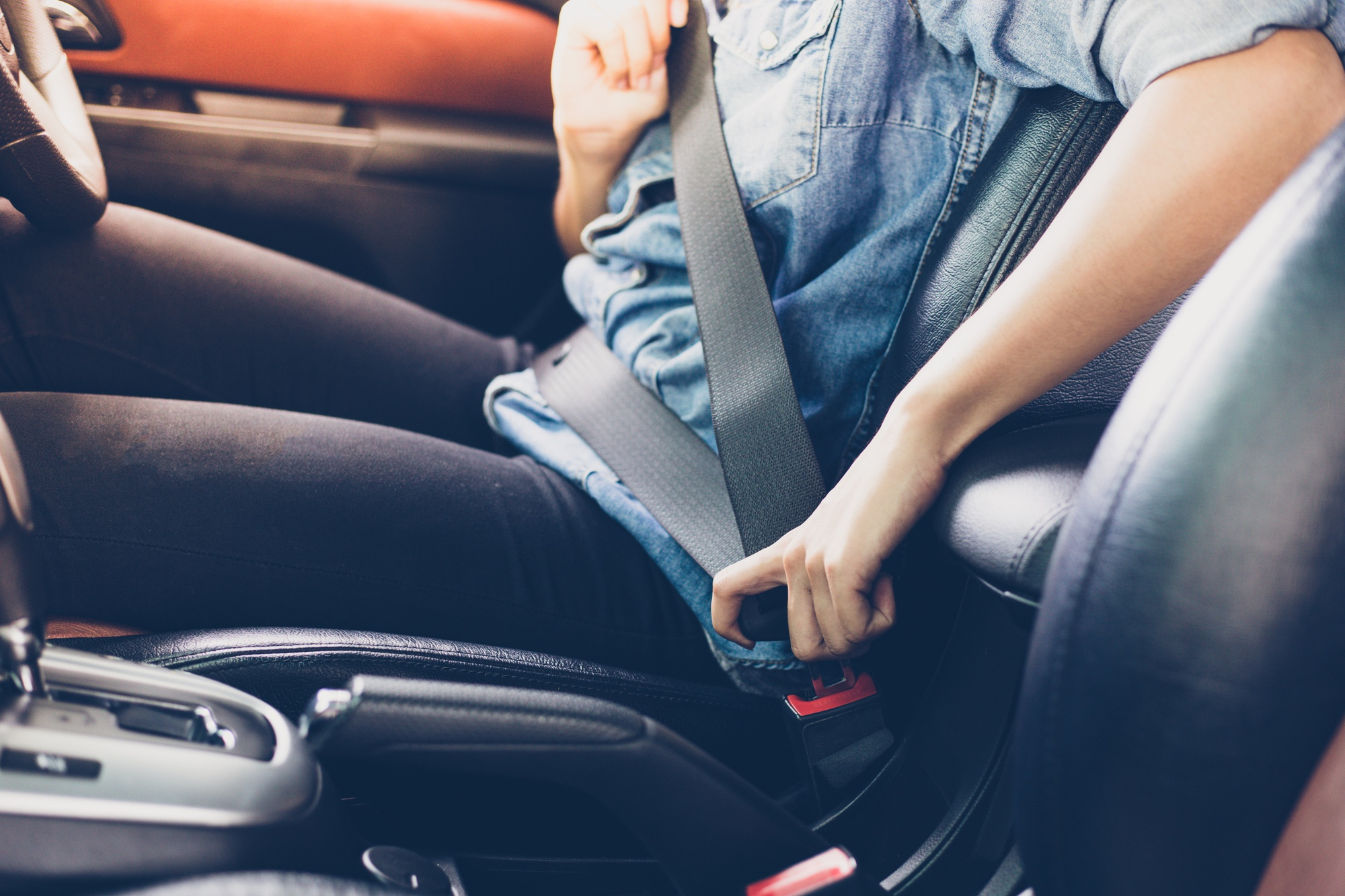
Back To School Safe Driving Tips: A Complete Guide from Bells Auto Driving
Every fall, the roads around schools fill with buses, bikes, and families in a hurry. The back-to-school season brings excitement for students but also a sharp rise in traffic and potential hazards. Many drivers underestimate just how much school zones and routines change the flow of traffic, leading to preventable accidents and close calls.
Staying safe on the road during this busy time is not just about following the law. It means understanding the unique risks, preparing your vehicle, and adopting habits that protect everyone, especially children. Whether you are a parent, student, or commuter, a few practical steps can make a big difference. At Bells Auto Driving, we have seen firsthand how a little knowledge and preparation can prevent tragedy.
This guide covers everything you need to know to drive safely as the school year begins. We will walk you through proven strategies, expert advice, and real-world examples. If you want to keep your family and community safe, this is the guide you cannot afford to skip.
- Understand the unique risks of school zones and back-to-school traffic.
- Prepare your vehicle and plan your routes ahead of time.
- Adopt safe driving habits, especially near crosswalks and bus stops.
- Learn from real-world examples and expert advice to avoid common mistakes.
What Is Back To School Safe Driving?
Back to school safe driving means using specific strategies and habits to protect students, parents, and all drivers during the busy school season. It involves careful planning, awareness, and following rules designed to keep everyone safe around schools and on the road.
Step 1: Understand the Unique Risks of Back-To-School Traffic
Back-to-school traffic brings hazards that are not present during the summer or other times of year. School zones become crowded with cars, buses, bikes, and pedestrians, all moving at different speeds and with different levels of awareness. Many drivers forget that children can be unpredictable, darting into the street or crossing without looking. This makes it crucial to adjust your driving habits as soon as the school year starts.
One of the biggest risks is the sudden stop-and-go traffic near schools. Parents dropping off or picking up children often double-park or make quick stops, which can block visibility and create confusion. Buses add another layer of complexity, as drivers must stop when the bus extends its stop sign, and children may cross the street unexpectedly. Even experienced drivers can be caught off guard if they are not paying close attention.
Another factor is the increased number of new or inexperienced drivers. Many high school students drive themselves for the first time during the school year. They may not be familiar with the rules of the road or the specific challenges of school zones. This can lead to mistakes, such as failing to yield to pedestrians or misjudging the speed of oncoming traffic.
Expert insight from the National Highway Traffic Safety Administration highlights that most child pedestrian deaths occur during school arrival and dismissal times. This underscores the importance of heightened awareness and caution during these peak hours. At Bells Auto Driving, we recommend that all drivers review school zone rules and stay alert for unexpected changes in traffic patterns.
Understanding these risks is the first step to preventing accidents. By recognizing the unique challenges of back-to-school traffic, you can adjust your driving habits and keep everyone safer.
- School zones have unpredictable traffic and require extra caution.
- Children and new drivers increase the risk of accidents during school hours.
- Most child pedestrian accidents happen during arrival and dismissal times.
Step 2: Prepare Your Vehicle for the School Year
Preparing your vehicle before the school year starts is essential for safe driving. Many people overlook basic maintenance, but even small issues can become serious problems in heavy school traffic. A well-maintained car responds better in emergencies and is less likely to break down at the worst possible time.
Start by checking your brakes, tires, and lights. Worn brakes or bald tires can make it harder to stop quickly, especially when children are crossing the street. Make sure all your lights work, including brake lights and turn signals, so other drivers and pedestrians can see your intentions. It is also a good idea to check your windshield wipers and fluid, since early fall weather can bring rain and reduce visibility.
Another important step is to clean out your car, especially if you will be driving children. Loose items can become dangerous projectiles in a sudden stop. Make sure car seats and booster seats are installed correctly and that seat belts are in good condition. The Insurance Institute for Highway Safety recommends checking child safety seats at least twice a year, and many local fire departments offer free inspections.
Professional advice from Bells Auto Driving instructors: keep an emergency kit in your car. This should include a flashlight, first aid supplies, jumper cables, and a blanket. You never know when you might face a breakdown or delay, especially during the busy school rush. Being prepared helps you stay calm and handle unexpected situations safely.
Taking the time to prepare your vehicle now will save you stress and reduce the risk of accidents once the school year is in full swing.
- Check brakes, tires, and lights before school starts.
- Secure all loose items and ensure child safety seats are properly installed.
- Keep an emergency kit in your car for unexpected situations.
Step 3: Plan Your Route and Timing
Planning your route and timing can make a big difference in back-to-school safety. Many accidents happen when drivers are rushed or distracted, trying to beat the clock. By thinking ahead, you can avoid the most congested areas and reduce your stress behind the wheel.
Start by learning the school’s drop-off and pick-up procedures. Most schools have specific routes and rules to keep traffic moving and children safe. Ignoring these guidelines can cause confusion and put students at risk. If you are new to the area or the school, take a test drive before the first day. This helps you get familiar with the layout and spot any tricky intersections or crosswalks.
Consider leaving earlier than usual, especially during the first few weeks of school. Traffic is always heavier at the start of the year as everyone adjusts to new routines. Giving yourself extra time means you are less likely to speed or make risky decisions. If possible, try to stagger your arrival or departure to avoid peak congestion.
For those who carpool or have multiple stops, map out your route in advance. Use a GPS or traffic app to check for delays or construction. Bells Auto Driving recommends updating your route every week, since traffic patterns can change quickly during the school year. This small step can help you avoid frustration and keep everyone safer.
By planning ahead, you set yourself up for a smoother, safer start to each school day.
- Learn your school’s drop-off and pick-up procedures before the first day.
- Leave early to avoid rushing and reduce stress.
- Check your route for changes or delays each week.
Step 4: Practice Safe Driving Habits in School Zones
Safe driving habits are the foundation of back-to-school safety. School zones have lower speed limits for a reason. Children are often distracted, excited, or unaware of traffic rules, so drivers must be extra cautious. Even a small increase in speed can make a big difference in stopping distance and reaction time.
Always obey posted speed limits and watch for crossing guards or school buses. When a bus stops and extends its stop sign, you must stop as well, even if you are in the opposite lane on a two-lane road. Many drivers are surprised to learn that failing to stop for a school bus is one of the most common traffic violations during the school year, and the fines can be steep.
Stay alert for children on bikes or walking. They may not always use crosswalks or look both ways before crossing. Bells Auto Driving instructors advise scanning the sides of the road and slowing down whenever you see children nearby. Never pass another vehicle that has stopped for pedestrians or a school bus, as this is both illegal and dangerous.
Distraction is a major cause of accidents in school zones. Put away your phone and avoid eating or adjusting the radio while driving. Even a moment of inattention can have serious consequences. The American Automobile Association recommends that drivers stay focused and keep both hands on the wheel at all times in school zones.
By practicing these habits every day, you help create a safer environment for everyone on the road.
- Always obey school zone speed limits and stop for school buses.
- Stay alert for children and avoid distractions while driving.
- Never pass vehicles stopped for pedestrians or buses.
Step 5: Communicate and Set Expectations with Young Drivers
Communication is key when it comes to young or inexperienced drivers. Many high school students drive themselves to school for the first time, and they may not fully understand the risks. Parents and guardians should have open, honest conversations about safe driving habits and the importance of following school zone rules.
Set clear expectations about speed limits, distractions, and the use of seat belts. Remind young drivers that running late is never an excuse to speed or take risks. Encourage them to leave early and plan their route, just as you would. Bells Auto Driving recommends practicing the school route together a few times before the first day, so new drivers feel confident and prepared.
It is also important to talk about peer pressure. Friends may encourage risky behavior, such as texting while driving or showing off behind the wheel. Make sure your teen knows that safety comes first and that it is okay to speak up if they feel uncomfortable. Many schools offer safe driving programs or workshops, and participating in these can reinforce good habits.
Professional advice from our instructors: set a good example. Children and teens watch how adults drive, even when you think they are not paying attention. By modeling safe, responsible behavior, you teach them to do the same.
Ongoing communication and support help young drivers build confidence and make safer choices on the road.
- Discuss safe driving habits and school zone rules with young drivers.
- Practice the school route together before the first day.
- Model safe driving behavior for your children and teens.
Real-World Case Study: The Impact of Safe Driving Strategies
Sometimes the best way to understand the importance of safe driving is to look at real-world examples. A few years ago, a local high school in our community experienced a series of near-misses during morning drop-off. Parents were double-parking, students were jaywalking, and several drivers ignored the school zone speed limit. It was only a matter of time before a serious accident happened.
The school partnered with Bells Auto Driving to address the problem. We worked together to educate parents and students about safe driving habits, proper drop-off procedures, and the importance of following traffic rules. The school also increased signage and added more crossing guards during peak hours. Local police stepped up enforcement of speed limits and bus stop laws.
Within a few weeks, the results were clear. Traffic flowed more smoothly, and there were no reported accidents or close calls. Parents reported feeling less stressed, and students said they felt safer walking to and from school. The school district even saw a drop in traffic violations during arrival and dismissal times.
This case shows that a community-wide effort, combined with education and enforcement, can make a real difference. Safe driving is not just about individual choices. It is about working together to protect everyone on the road.
- Community education and enforcement can reduce accidents and improve safety.
- Clear communication of rules and procedures helps everyone stay on the same page.
- Small changes, like added signage and crossing guards, can have a big impact.
Key Takeaways
- Back-to-school driving requires extra caution and preparation.
- Vehicle maintenance, route planning, and safe habits are essential for safety.
- Communication with young drivers and community cooperation make a difference.
- Real-world examples show that these strategies work when everyone participates.
Start the School Year Safely with Bells Auto Driving
Back-to-school season is a busy and sometimes stressful time, but a few simple steps can keep everyone safe. By understanding the risks, preparing your vehicle, planning your route, practicing safe habits, and communicating with young drivers, you can help prevent accidents and protect your community. At Bells Auto Driving, we are committed to helping families and drivers build safer habits that last all year long.
If you found these tips helpful, please share this guide with friends or family who might benefit. We also invite you to leave a comment below with your own experiences or questions about back-to-school driving safety. For more personalized advice or to schedule a lesson, contact Bells Auto Driving today. Together, we can make the roads safer for everyone this school year.
FAQ
Question: What are the most important safe driving tips for back-to-school season?
Answer: The most important tips are to obey school zone speed limits, stay alert for children and buses, plan your route ahead of time, and avoid distractions while driving.
Question: How can I help my teen driver stay safe during the school year?
Answer: Practice the school route together, set clear expectations about safe driving habits, and model responsible behavior every time you drive.
Question: Why is vehicle maintenance important for back-to-school driving?
Answer: Proper maintenance ensures your car can stop quickly, remain visible to others, and handle emergencies, which is especially important in busy school zones.
Question: What should I do if I see unsafe driving near my child’s school?
Answer: Report unsafe behavior to the school or local authorities, and encourage your community to follow safe driving practices through education and communication.
Question: How can Bells Auto Driving help with back-to-school safety?
Answer: Bells Auto Driving offers lessons, workshops, and resources to help drivers of all ages build safe habits and understand the unique challenges of school zone driving.