Phones, Friends & Distractions: The Biggest Challenges for Teen Drivers
How New York Teen Drivers Can Stay Focused, Avoid Distractions, and Build Safer Driving Habits
Getting your driver’s license is an exciting milestone. It means more independence, new responsibilities, and the freedom to travel without always relying on a parent or guardian.
But with that freedom comes one of the biggest challenges facing new drivers: staying focused behind the wheel.
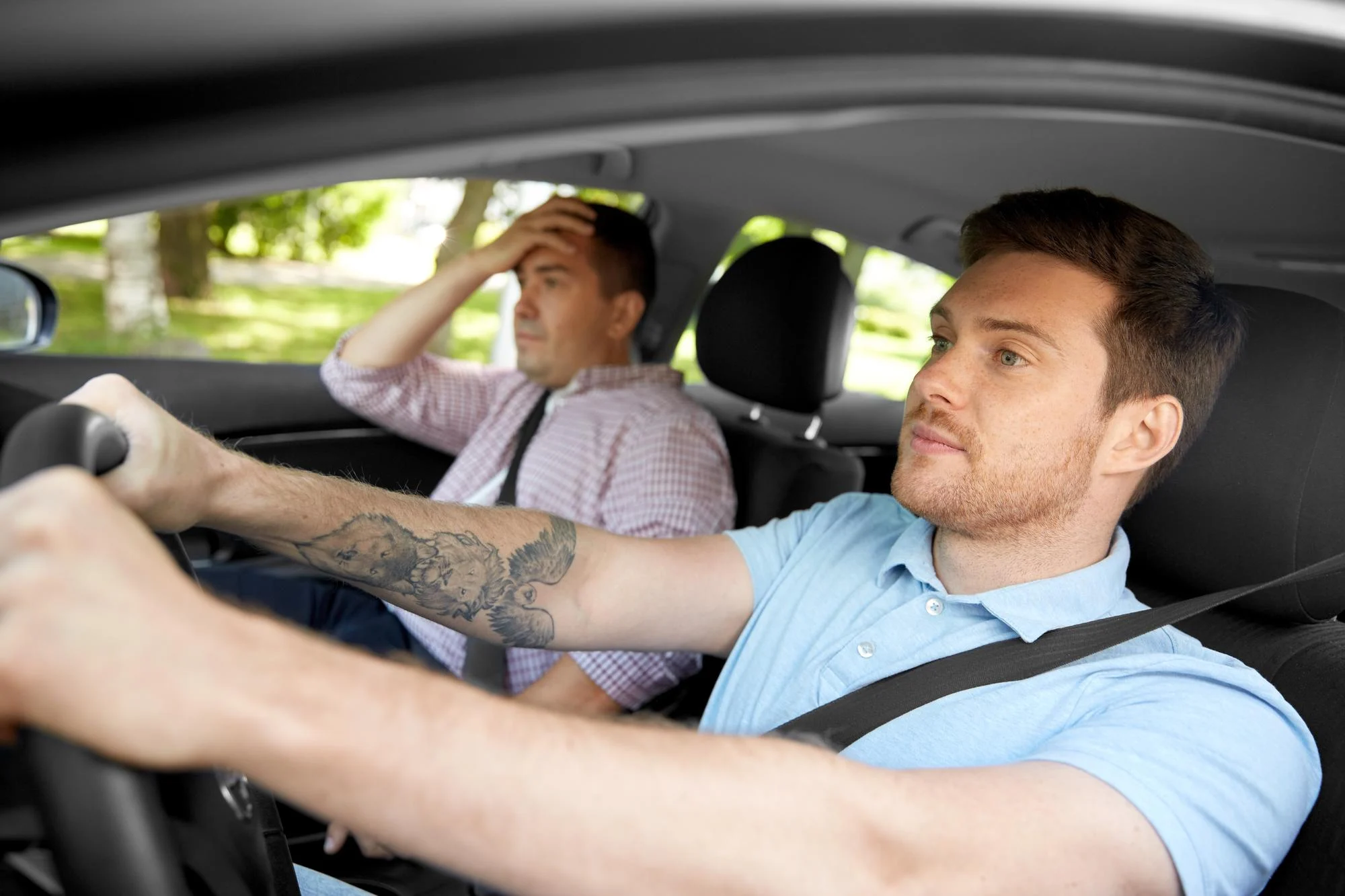
Between smartphones, friends, music, and everyday distractions, teenagers face plenty of situations that can take their attention away from the road. Even a momentary distraction can lead to a dangerous mistake.
At Bell’s Auto Driving School, we believe developing safe driving habits starts long before your road test. Understanding the risks of distracted driving is an important part of becoming a confident, responsible driver.
What Is Distracted Driving?
Distracted driving happens whenever something takes your attention away from operating your vehicle safely.
Distractions generally fall into three categories:
- Visual distractions: Taking your eyes off the road, such as looking at a phone or navigation screen.
- Manual distractions: Taking your hands away from driving tasks to reach for an object or adjust controls.
- Cognitive distractions: Thinking about something other than driving, including conversations, stress, or daydreaming.
Some activities involve multiple types of distraction at once. For example, reading a text message can take your eyes, hands, and attention away from driving.
For new drivers who are still developing essential skills, managing distractions is especially important.
1. Smartphones: A Notification Isn’t Worth the Risk
Phones have become part of everyday life, making it tempting to check a notification, change a song, or respond to a message while driving.
However, even a quick glance at a screen means you’re no longer fully watching the road.
Before starting your vehicle:
- Turn on your phone’s Do Not Disturb or driving mode.
- Set your navigation destination before leaving.
- Choose your music or playlist in advance.
- Put your phone somewhere you won’t be tempted to reach for it.
- Pull over and park safely if you need to make a call or respond to a message.
New York has strict laws concerning electronic device use while driving, including additional restrictions for junior drivers and learner permit holders.
Remember: No text, notification, or social media update is more important than arriving safely.
2. Friends and Passengers: Learning to Speak Up
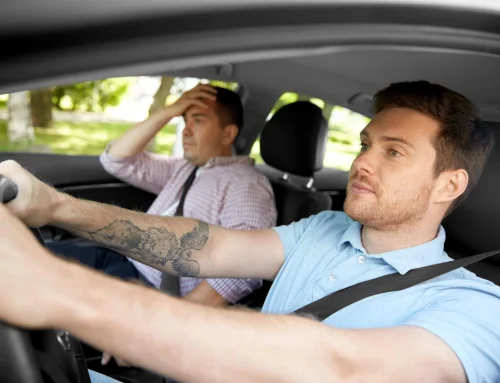
Driving with friends can make a trip more enjoyable, but passengers can also create unexpected distractions.
Loud conversations, joking around, changing music, or encouraging risky behavior can make it harder for a new driver to concentrate.
New York’s graduated licensing rules also limit passengers for certain junior drivers, depending on age, location, and license status.
Even when passengers are legally permitted, teens should establish clear expectations before leaving.
Try setting a few simple rules:
- Keep conversations at a reasonable volume.
- Avoid distracting the driver during difficult maneuvers.
- Let the driver control the music and vehicle settings.
- Never pressure someone to speed or drive recklessly.
- Speak up if you feel unsafe.
Being a responsible driver sometimes means telling friends to quiet down or asking them to stop distracting you.
That’s not being overly cautious. That’s taking your responsibility seriously.
3. Music, Navigation, and Vehicle Technology
Today’s vehicles offer more technology than ever before, from touchscreen displays and Bluetooth connections to GPS navigation and entertainment systems.
While these features can be useful, they can also become distractions when used at the wrong time.
New drivers should become familiar with their vehicle’s controls before entering traffic.
A few good habits include:
- Setting navigation before driving.
- Keeping music at a volume that allows you to hear surrounding traffic.
- Learning where important controls are located.
- Avoiding unnecessary adjustments while the vehicle is moving.
- Asking a passenger to help with navigation when appropriate.
If you miss a turn or exit, continue driving safely until you can legally and safely adjust your route. Never make a sudden maneuver to correct a navigation mistake.
4. Emotions and Stress Can Affect Your Focus
Not every driving distraction comes from a phone or passenger.
Stress, frustration, excitement, and anxiety can also affect how well you concentrate.
For example, driving immediately after an argument or while feeling extremely upset may make it harder to recognize hazards or make thoughtful decisions.
Before getting behind the wheel, take a moment to assess how you’re feeling.
If you’re too upset, tired, or distracted to concentrate, consider waiting until you’re ready to drive safely.
Developing good judgment means recognizing when you should drive—and when you shouldn’t.
5. How Parents Can Help Teens Develop Safe Driving Habits
Parents play an important role in helping teenagers understand the responsibilities of driving.
One of the most effective approaches is to model the behaviors you want your teen to follow.
If you’re teaching your teenager to avoid phone use while driving, demonstrate that habit yourself.
Families can also establish a driving agreement that covers:
- Phone and electronic device use.
- Passenger expectations and legal restrictions.
- Speed limits and safe driving behavior.
- Communication about destinations and arrival times.
- What to do when feeling uncomfortable or unsafe.
Keep these conversations open and constructive. Encourage your teen to ask questions and discuss challenging situations without feeling embarrassed.
6. Practice Staying Focused During Driving Lessons
Learning to manage distractions takes practice.
During supervised driving sessions, new drivers can work on recognizing hazards, maintaining safe following distances, checking mirrors, and anticipating the actions of other drivers.
As students gain experience, these skills can help them respond more confidently to everyday driving situations.
Professional driving lessons provide opportunities to reinforce safe habits and receive feedback on important driving techniques.
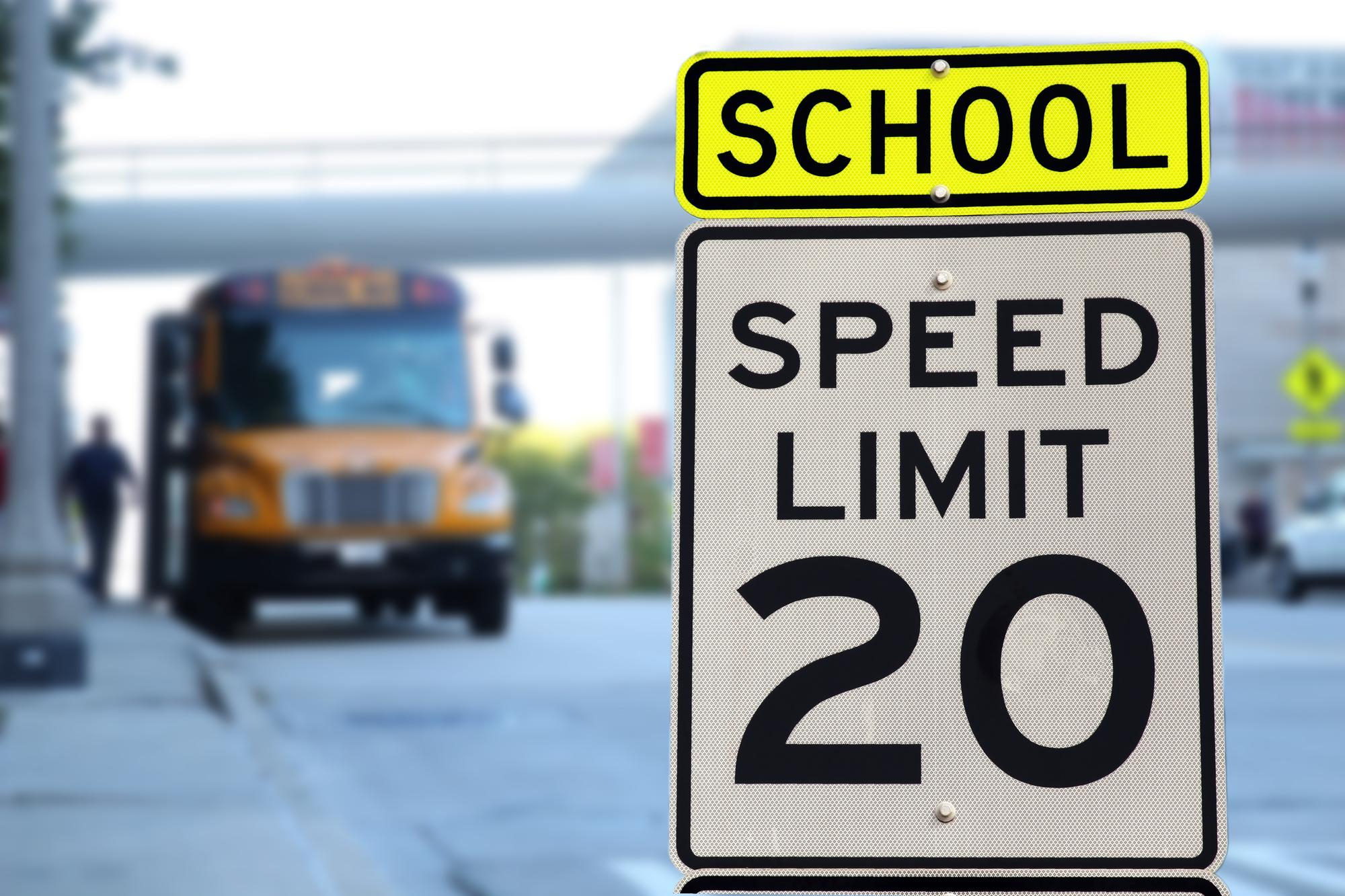
For teens learning to drive in Albany, Troy, Schenectady, Clifton Park, and throughout the Capital Region, building strong attention and awareness skills is essential for navigating busy intersections, highways, school zones, and neighborhood streets.
Safe Driving Starts with Smart Decisions
Distractions are everywhere, but safe drivers learn how to manage them.
Putting your phone away, setting boundaries with passengers, preparing your navigation, and recognizing when you’re too distracted to drive are all important habits.
For teenagers, these decisions help establish a foundation for a lifetime of safer driving.
At Bell’s Auto Driving School, we’re committed to helping new drivers understand the skills, responsibilities, and awareness needed to navigate New York roads.
Ready to Build Better Driving Habits?
Whether you’re preparing for your learner’s permit, taking your first driving lessons, or getting ready for the DMV road test, Bell’s Auto Driving School can help you take the next step.
Explore Bell’s Auto Driving School to learn more about available driving lessons and driver education programs.